Most people who commission animation for their brand have never seen the inside of an animation production. They know what they want the final video to look and feel like — but the process that gets from a creative brief to a finished, rendered animation is largely invisible to them. That gap in understanding creates problems: unclear feedback, misaligned expectations, avoidable delays, and budget surprises.
This walkthrough demystifies the 2D animation production process completely. It is written for business owners, marketing leads, and brand managers — not for animators. By the end, you will understand every phase of how a 2D animation is made, what happens in each one, what decisions you are responsible for as a client, and what to expect from your animation studio at each stage.
Understanding how animation is made does not just satisfy curiosity — it makes you a significantly better client, which leads directly to better work and fewer revisions.
The Six Phases of 2D Animation Production
A professional 2D animation project moves through six sequential phases. Each phase builds on the last, and approval at each stage is required before the next begins. This linear structure is not arbitrary — it exists because changes become exponentially more expensive and time-consuming the further into production they occur. A script change costs one hour. The same change at the animation stage costs days.
Phase 1: Discovery and Strategy
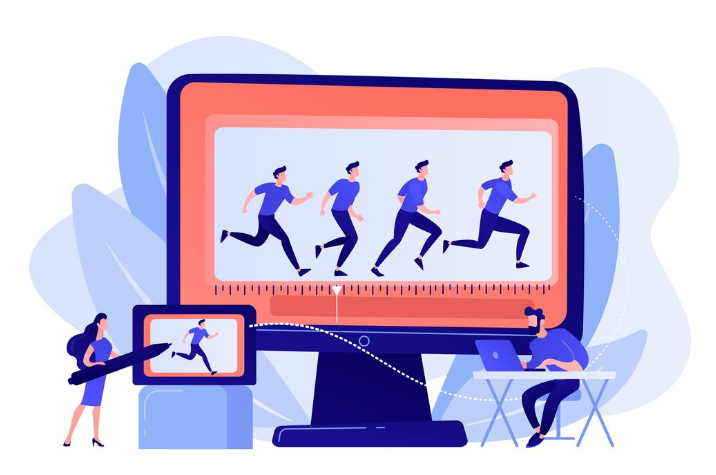
Before any creative work begins, the production team needs to understand what the animation is for. This phase involves a kickoff conversation or brief review session in which the studio gathers the information needed to make strategic creative decisions: the goal of the video, the target audience, the key message, the tone, the distribution channels, and any existing brand assets the animation must align with.
For experienced clients with clear briefs, this phase is short — a single meeting and a brief review. For clients who are new to animation or whose goals are not yet fully defined, the discovery phase may involve deeper strategic consultation to ensure the project is set up for success before any creative resources are committed.
What you are responsible for in this phase: providing clear answers to the studio’s brief questions, sharing brand assets (logo files, brand guidelines, color palette, typography), and identifying the key stakeholders who will be involved in approval decisions throughout the project.
Phase 2: Scriptwriting
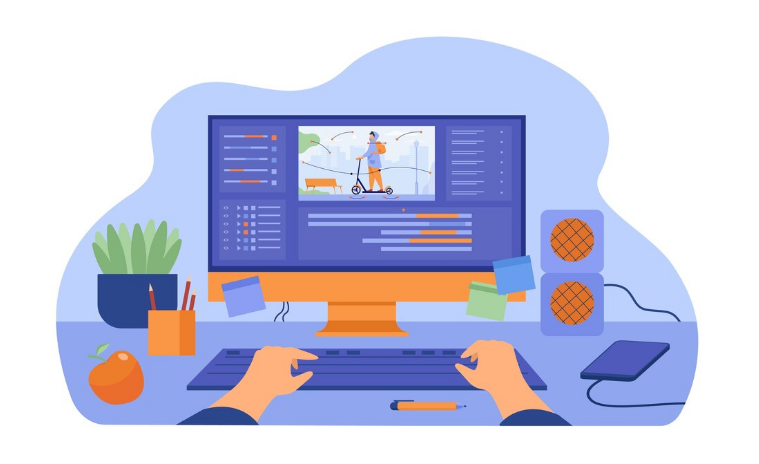
The script is the most important single document in any animation project. Every visual, every scene, every moment of the final animation is a direct expression of decisions made in the script. A weak or poorly structured script cannot be rescued by excellent animation — and a strong script makes every subsequent phase easier, faster, and cheaper.
A professional animation script is not the same as a creative essay or a marketing copy document. It is a structured production blueprint that specifies exactly what is said (the voiceover or on-screen text), the emotional arc of the video, the pacing, and — in many studios — directorial notes about what should be visualized in each section. For a 60-second animation, the script is approximately 150 to 160 words of voiceover narration, plus production notes.
The Script Approval Decision
Script approval is the single most consequential decision a client makes in an animation project. Once the script is approved and the project advances to storyboard, changes to the script require corresponding changes to the storyboard and potentially to the recorded voiceover — creating a cascade of revisions that can add significant time and cost to the project. Invest the time in getting the script right before approving it.
What to look for when reviewing a script: Does it lead with the viewer’s problem or need, not with your company’s story? Does it reach the core value proposition within the first 10 to 15 seconds? Is the language clear to someone who knows nothing about your product? Is there a single, specific call to action at the end? Is the tone consistent with your brand’s voice?
Phase 3: Storyboarding
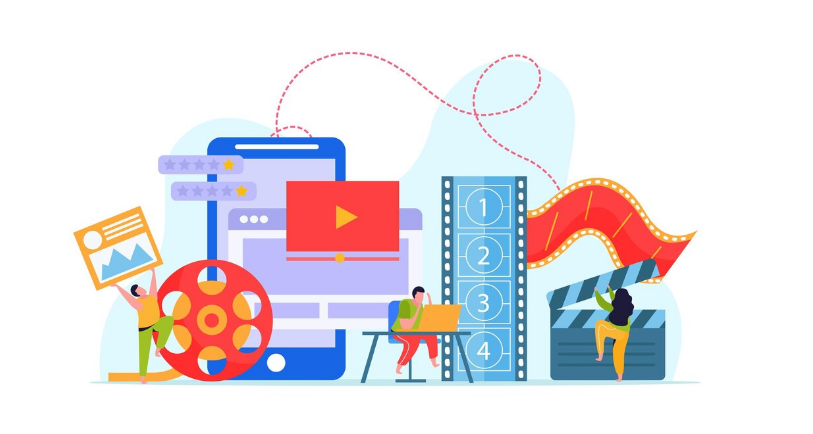
Once the script is approved, the production moves into storyboarding — the visual planning phase in which each scene of the animation is sketched out as a sequence of rough frames. A storyboard functions like a comic book version of the final animation: it shows what will appear on screen in each section, how characters and graphic elements are positioned, how scenes transition, and how the visual narrative maps to the script.
Storyboards are produced in rough sketch form — not finished illustration. Their purpose is to establish compositional decisions and narrative flow before any refined artwork is created. This is the correct phase at which to give feedback on visual direction, scene structure, and the overall flow of the animation.
Reading a Storyboard Effectively
When reviewing a storyboard, focus on structure rather than finish quality. Ask yourself: Does the sequence of scenes tell the story clearly? Are the transitions between scenes logical? Does the visual emphasis in each frame support the corresponding script line? Is there anything in the script that is not accounted for visually? Are there visual elements or scenes that feel unnecessary or redundant?
What you should not focus on at the storyboard stage: the quality of the illustration, the colors, the character design, or the level of detail. All of that comes in the next phase. Giving detailed illustration feedback at the storyboard stage is one of the most common client mistakes in animation production, and it creates confusion about which feedback is actionable at which phase.
Phase 4: Visual Design and Asset Creation
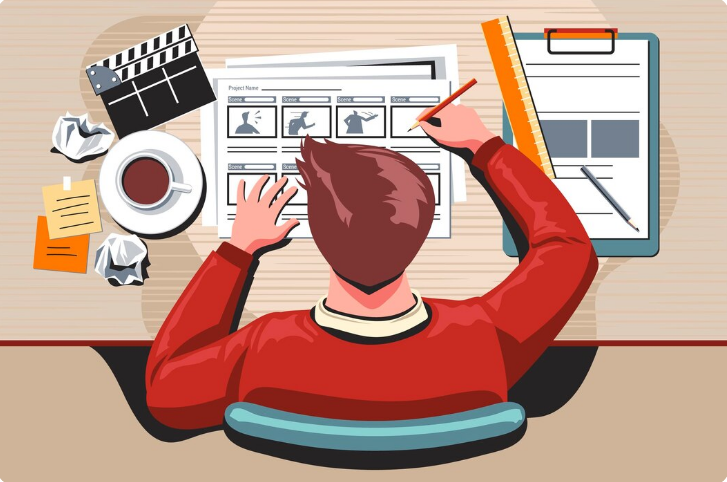
With the storyboard approved, the animation team moves into the visual design phase — the stage at which the style of the animation is finalized and all of the artwork required for production is created. This is typically the phase that takes the most calendar time, because every background environment, character design, graphical element, icon, and typographic treatment must be illustrated to final quality before animation can begin.
Style Frames
Most studios begin this phase by producing style frames — a small set of fully rendered, static illustrations that show what the final animation will look like at its best. Style frames are typically drawn for 2 to 4 key scenes from the storyboard and present the character designs, color palette, background style, and graphic treatment in finished form. Style frame approval is the moment at which the visual identity of the animation is locked.
This is the phase at which detailed visual feedback is both appropriate and critical. Does the illustration style feel right for your brand? Are the character designs appealing and on-brand? Does the color palette feel consistent with your brand identity? Is the level of detail appropriate for the content? Feedback given at the style frame stage can be incorporated efficiently. Feedback on visual style given after animation has begun is expensive to address.
Asset Production
Once style frames are approved, the full asset library is produced: every background scene, every character pose and expression, every icon, every graphic element, every piece of typographic treatment that will appear in the finished animation. For a 90-second animation, this library may contain hundreds of individual illustrated elements. The asset production phase is the invisible engine of the project — clients do not see this work happening, but it is the foundation on which the animation phase entirely depends.
Phase 5: Animation

With all assets produced and approved, the animation phase begins. This is the stage at which the illustrated elements are imported into animation software and brought to life. Animators work scene by scene through the storyboard, building the motion that transforms the static asset library into a moving, living piece of content.
Keyframes and In-Betweens
In both frame-by-frame and rigged animation, motion is defined by keyframes — the specific frames in the timeline at which a character or element is in a defined position. The animator places the character at position A, then at position B, and the software (or, in frame-by-frame, the animator) fills in the frames between those two positions to create smooth motion. This fill-in process is called in-betweening.
The art of animation lies primarily in timing: how many frames are allocated between keyframes, how the speed accelerates and decelerates through the motion, and how secondary elements (clothing, hair, loose objects) move in relation to the primary motion. These timing decisions are what separate amateur animation from professional animation — the difference between motion that feels mechanical and motion that feels alive.
Animatic Review
Many studios produce an animatic before the full animation is refined — a rough, partially animated version of the complete video that shows the timing and pacing of all scenes in sequence. The animatic is the most efficient point at which to catch timing and pacing problems before they are locked into the fully animated version. If a scene feels too slow, too fast, or has the wrong emphasis, the animatic is the time to say so.
Phase 6: Post-Production: Sound Design, Voiceover, and Final Delivery
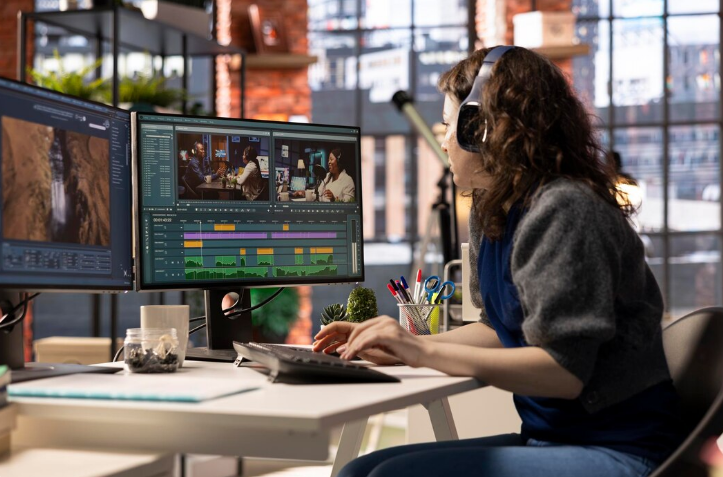
The final phase of 2D animation production combines the animated visuals with the audio elements — voiceover, music, and sound effects — to produce the finished video.
Voiceover Recording and Sync
If the animation includes a voiceover narrator, the recording is typically produced during or just after the script approval phase, so that the animation can be timed against the actual recorded audio rather than estimated timing. A professional voiceover recording uses a studio-quality microphone, a controlled acoustic environment, and a skilled voice artist whose tone, pace, and accent match the brand’s target audience. The animation is then timed so that visual elements appear in sync with the corresponding narration.
Music and Sound Effects
A music bed — a background music track that runs throughout the video — sets the emotional tone of the animation and supports the viewer’s engagement. Sound effects, applied to specific moments of visual action, add depth and tactility to the motion. Together, music and sound effects can increase a viewer’s emotional engagement with an animation by as much as 40% compared to a visuals-only version. Both music and sound effects should be licensed for commercial use — stock music libraries provide cost-effective options, while custom composition is available for productions where sonic distinctiveness is a priority.
Rendering and Final Delivery
Once sound design is complete and the final animation is approved, the video is rendered — processed by the animation software into the final video file. Rendering can take anywhere from minutes to hours depending on the complexity of the animation and the specifications of the output files. Final delivery typically includes multiple file formats: MP4 for web and social distribution, MOV with alpha channel for overlay use in video production, and GIF for email and banner contexts.
The production process is sequential by design. Every phase’s output is the input for the next. The cleaner the approvals at each stage, the smoother, faster, and more cost-effective the project.
2D Animation Studio manages the full 2D animation production process for US brands — from strategy and script through storyboard, design, animation, and final delivery. If you are planning an animation project and want to understand exactly what the process will look like for your specific brief, get in touch for a free consultation.
Frequently Asked Questions About the 2D Animation Production Process
Q1: How long does each phase of 2D animation production take?
Phase durations vary significantly based on project complexity, but here are realistic estimates for a standard 60 to 90-second commercial 2D animation: Discovery and strategy takes 2 to 5 business days. Scriptwriting takes 3 to 7 days including one revision round. Storyboarding takes 5 to 8 days. Visual design and asset creation take 10 to 15 days — this is the longest single phase for most projects. Animation takes 7 to 12 days. Post-production takes 3 to 5 days. Total elapsed time from kickoff to final delivery is typically 5 to 8 weeks, with the primary variable being the speed of client approvals at each stage.
Q2: At which stage can I make changes without incurring additional cost?
Changes are least expensive in the earliest phases and most expensive in the later phases. Script changes before storyboard approval are typically included in the project scope. Storyboard changes before visual design begins are usually manageable within scope. Significant changes after visual design is approved — particularly changes to the script, character design, or color palette — begin to carry additional cost because they require rework of completed assets. Changes requested after animation is complete are the most expensive, as they can require re-animating entire scenes.
Q3: What do I need to provide to the animation studio to start a project?
To begin a 2D animation project effectively, you should provide: a clear brief covering the video’s goal, target audience, core message, tone, and call to action; your brand’s visual assets in the highest quality available (logo in vector format, brand color codes, typography details, and brand guidelines if they exist); any reference examples — videos you like that demonstrate the style, energy, or approach you are looking for; and clarity on the key stakeholders who will be involved in approvals and what their decision-making authority is.
Q4: Why does 2D animation take so long? It is just drawings, right?
This is one of the most common misconceptions about animation production. A 90-second finished animation contains between 1,350 and 2,160 individual frames, depending on the frame rate and animation technique. Even in rigged animation — the faster of the two primary techniques — each scene requires deliberate timing, carefully constructed motion paths, secondary animation layers, and multiple rounds of refinement. The visual design phase alone, in which every background, character pose, and graphic element must be illustrated to finished quality, often takes two weeks for a 90-second piece. Animation is one of the most labor-intensive forms of content production — it simply does not look that way from the outside.
Q5: Can I be involved in the production process, or do I just wait for the deliverables?
Client involvement is both expected and valuable at specific, defined points in the production — and counterproductive outside of those points. The appropriate moments for client involvement are: the brief and discovery meeting (essential), script review and approval (critical), storyboard review and approval (important), style frame review and approval (important), animatic review if provided (valuable), and final video review and approval (essential).
Q6: What happens if I am not happy with the direction the animation is taking?
The structured approval process exists precisely to prevent this situation — each phase is designed to surface and resolve directional issues before they become embedded in the production. If you find at the storyboard stage that the visual direction is not what you envisioned, that is the right time to say so, and a professional studio will work with you to get the direction right. If a more fundamental misalignment emerges — for instance, the overall creative approach feels wrong despite approved deliverables at each stage — the honest answer is to pause, diagnose the root cause, and course-correct.
2D Animation Studio produces 2D animation for US brands with a transparent, well-managed production process designed to get great work done efficiently. If you are preparing a brief or want to understand what a project timeline would look like for your specific needs, reach out to our team for a free consultation.